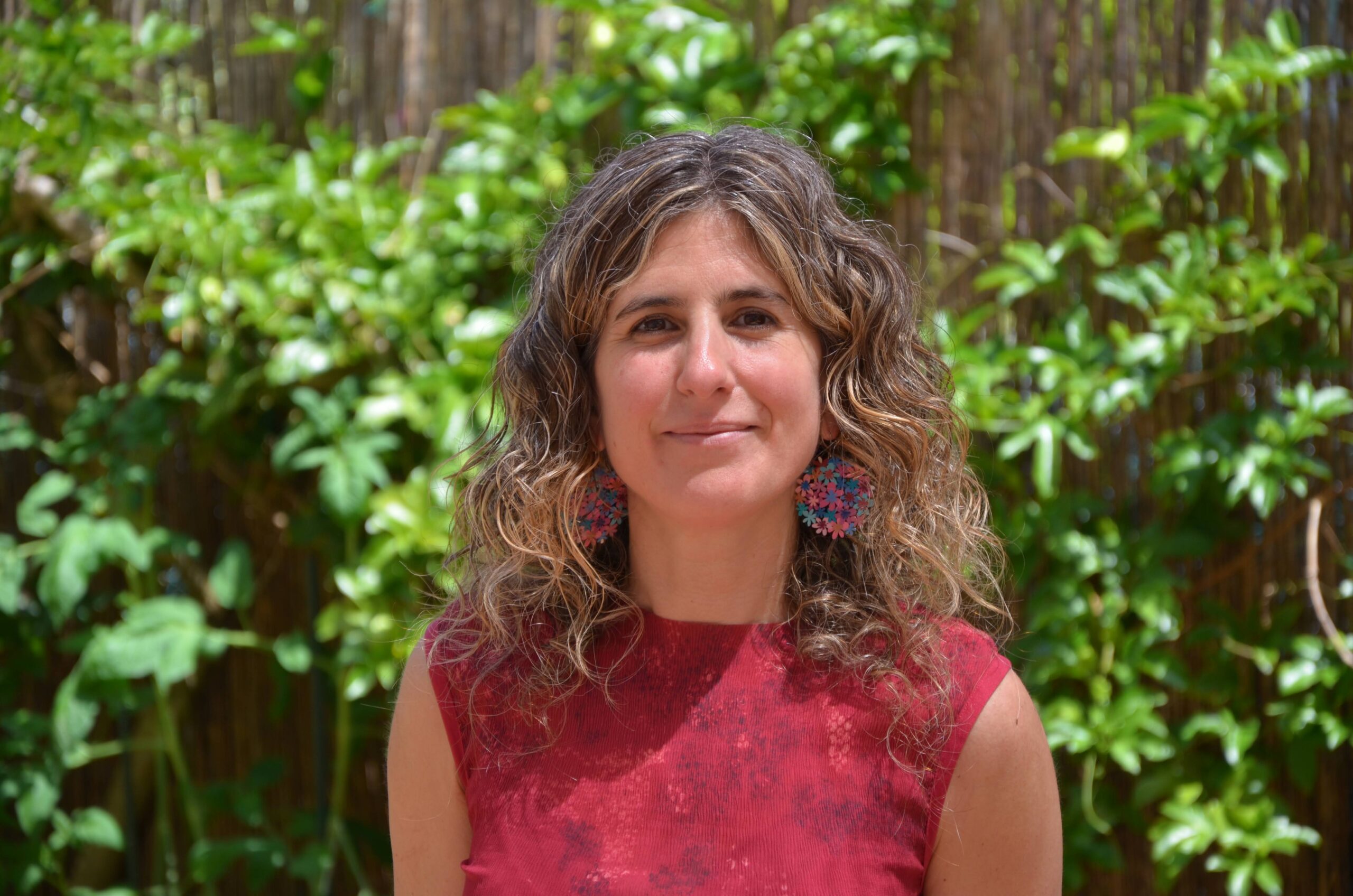
Almost twenty years ago, translator and researcher Alba Rodríguez Saavedra first noticed the figure of Ruth Matilda Anderson. That contact developed into a research project that today sees the light in a book, Ruth Matilda Anderson: tradutora das marxes (Laiovento, 2025)
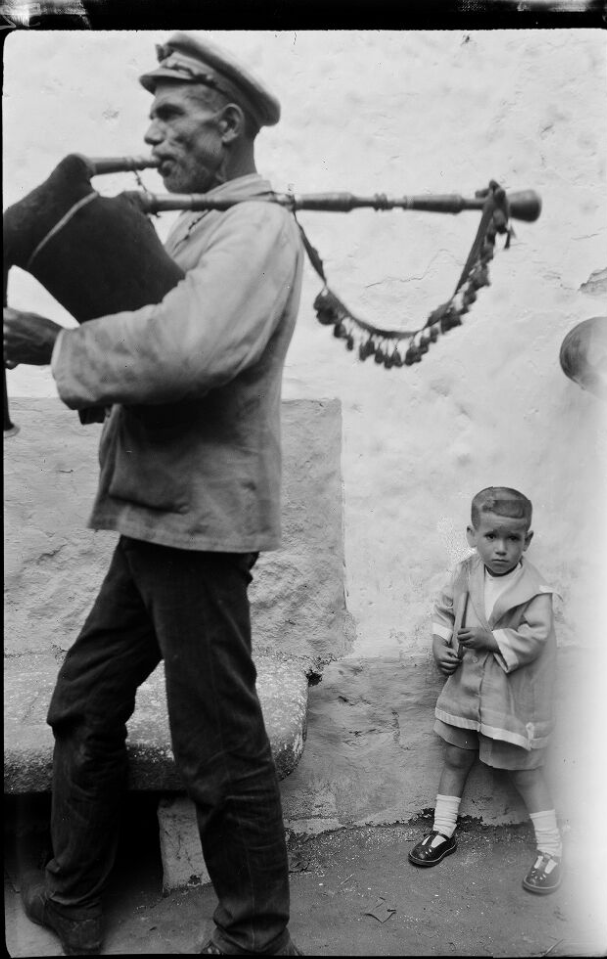
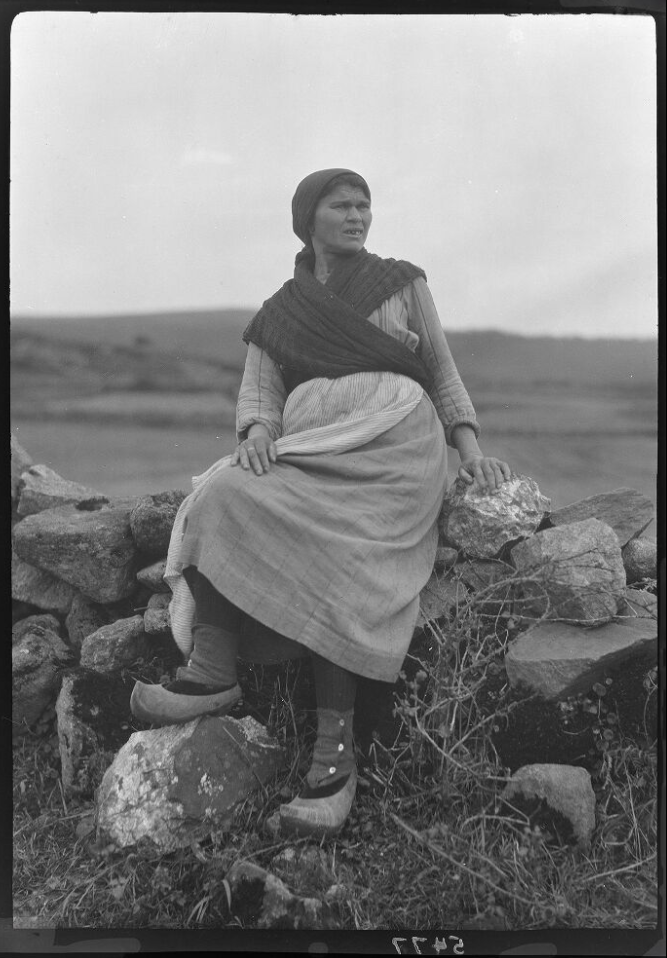
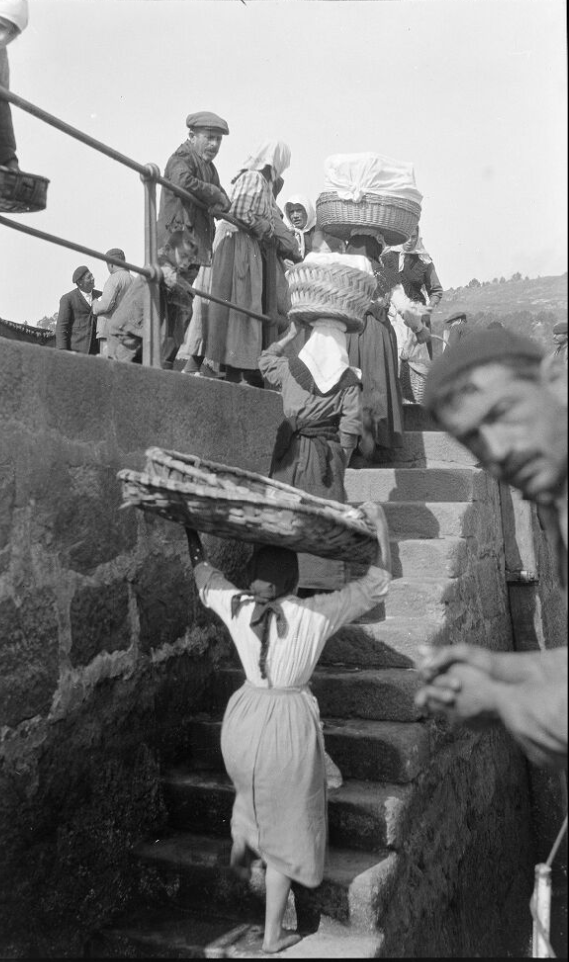
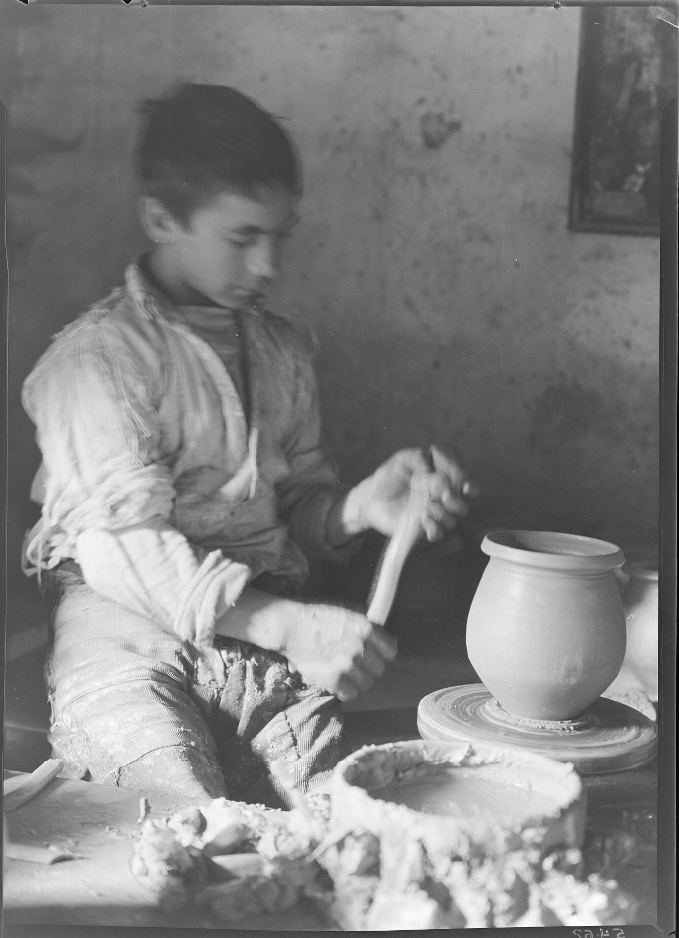
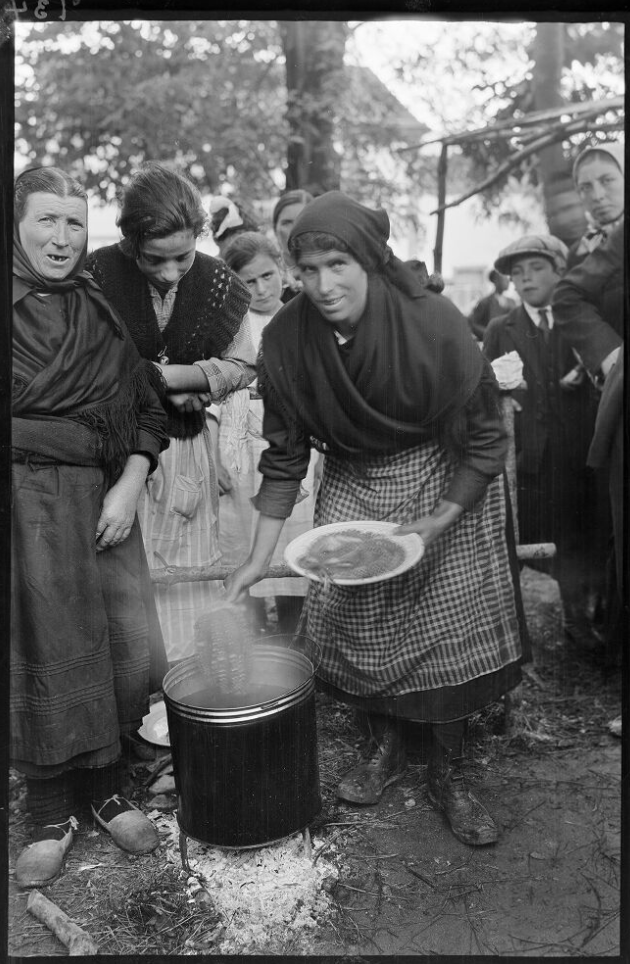
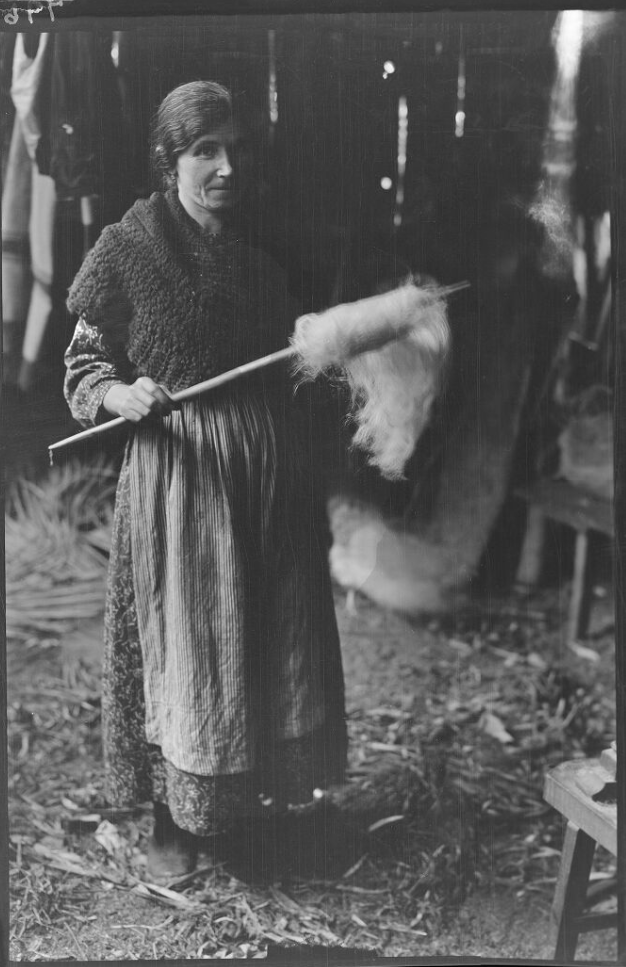
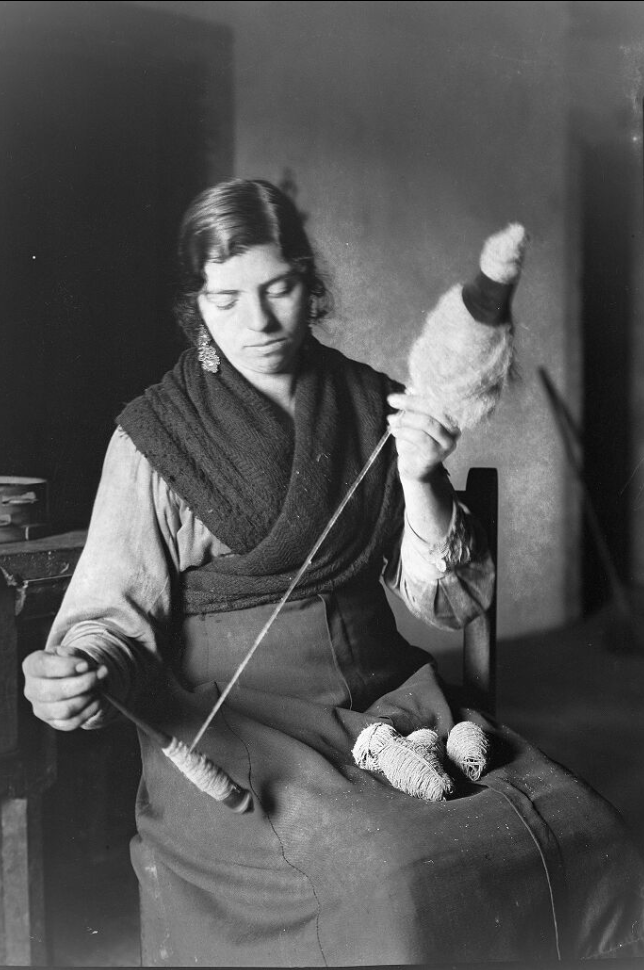
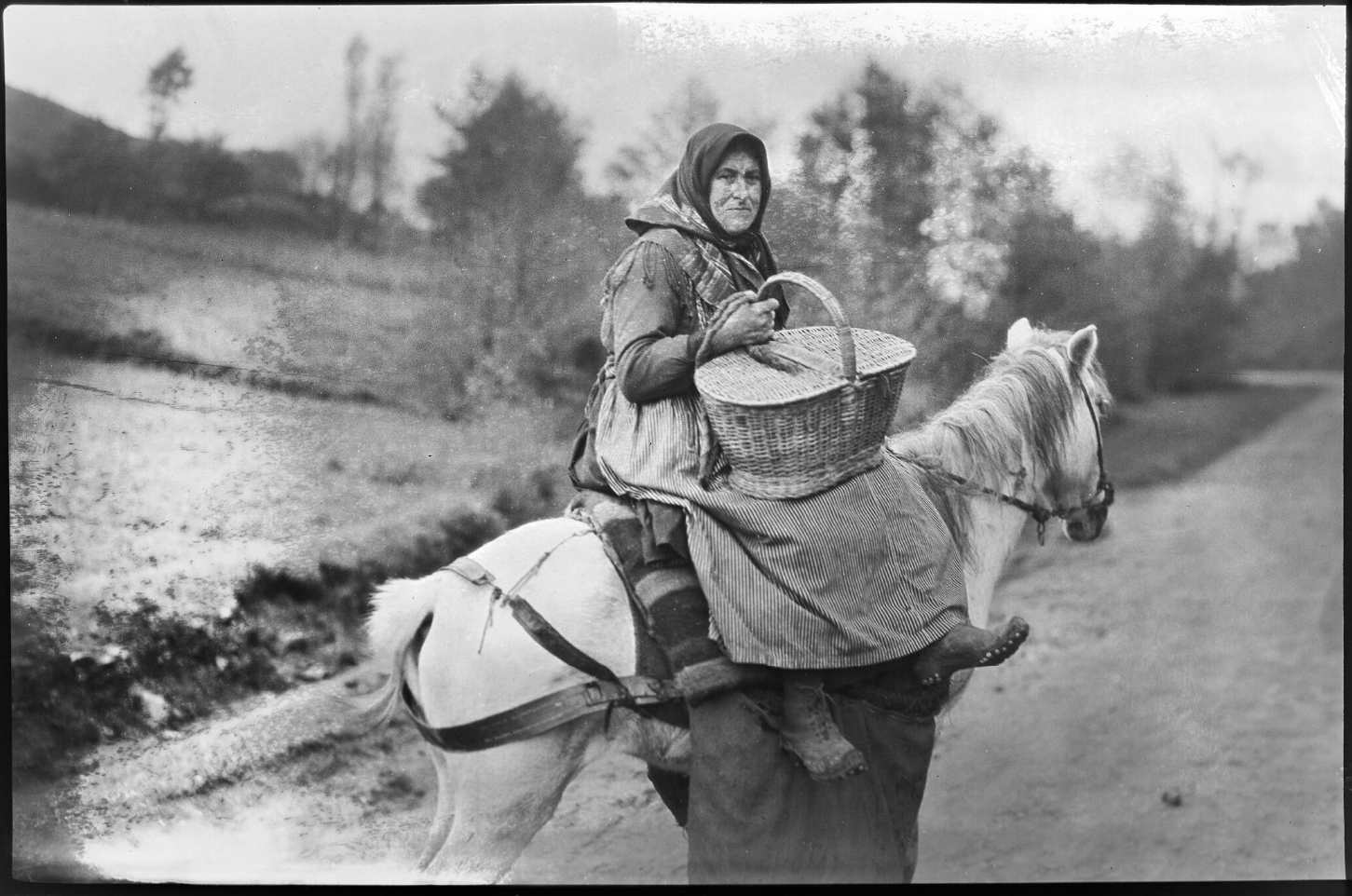
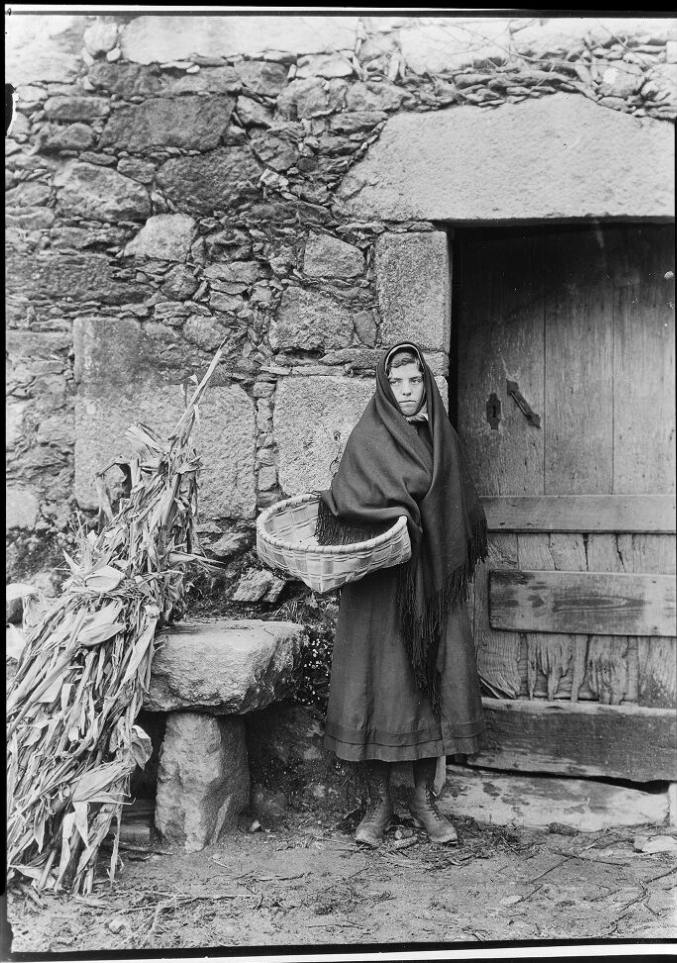
The research work of Alba Rodríguez Saavedra (Teo, 1980), collected in the book Ruth Matilda Anderson: tradutora das marxes (Laiovento, 2025), brings a major discovery: the woman from Nebraska who arrived in Galicia at the beginning of the 20th century to photograph a fundamental part of our history also analyzed and wrote about our country, spoke our own language, and translated Rosalía de Castro directly from Galician to English.
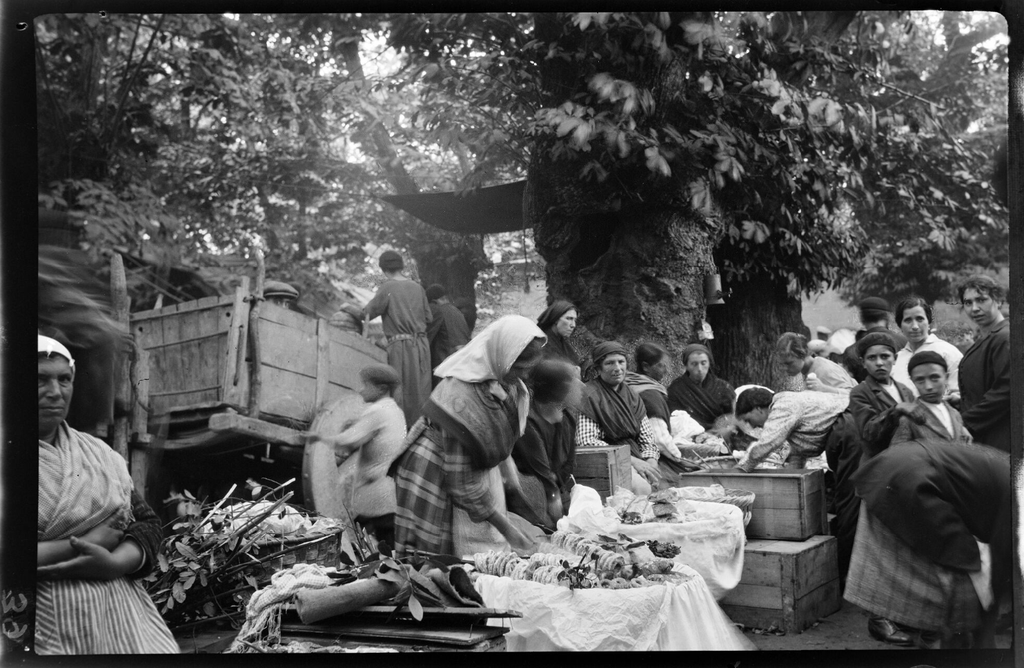
Thanks in large part to Saavedra’s exhaustive work, light is shed today on a foreign woman who, despite remaining hidden for decades, is key to understanding our own history. Light on her photographs, 90% of which were unknown to us until a few days ago: the Hispanic Society of America has just begun to make available to the public, in digital format, the 5,000 photos that Anderson took in Galicia between 1924 and 1926.
How do you rate the Hispanic Society of America starting to open up access to Ruth Matilda Anderson’s photographs in Galicia?
I think it is a milestone and a moment that we should highlight. For a long time, we were talking about Ruth Matilda Anderson’s photographic work as representative of an extraordinary moment of change within Galicia, portraying our country in a different way by focusing on what in historiography always remained on the margins. Now we have a treasure of 5,000 images that the HSA is placing in open access in its digital library. However, it is also worth noting that this is access; reproduction rights remain with the US entity, of course.
Furthermore, it is a collection that will continue to grow: as a living project, Anderson’s entire archive will be there, not just the Galician one. It is wonderful news and, as such, I would like to highlight the role played in this milestone by Beatrice Lee Sampedro, Patrick Lenaghan, and Noemí Espinosa Fernández, the people responsible for making this dream come true.
What would you highlight about this work, previously unpublished to the general public?
I focus on the recognition we must have from here toward a researcher, a woman who was trained in photography and was also a teacher due to her educational background, but who started in ethnography and field research to offer us a portrait of a peculiar and special moment for our country. Within what we see in those images, I think we can highlight, above all, a perspective that completely avoids the condescension that might be typical of a researcher of her background.
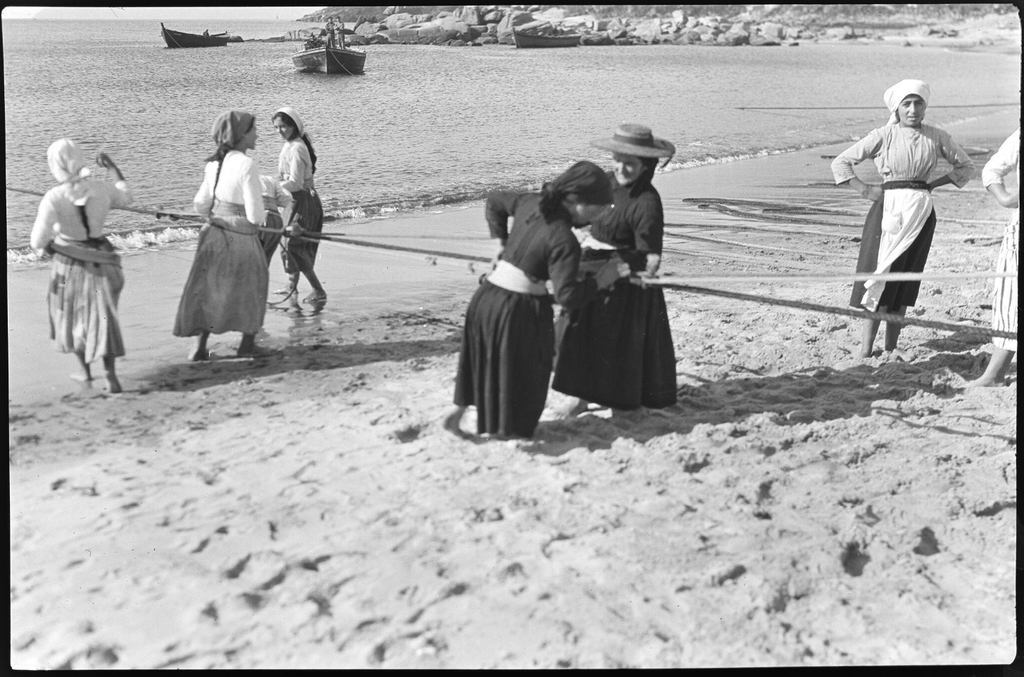
We see work that improves over time, and that is wonderful because it implies that level of affection for training. We also see a shift in the treatment of her photographed subjects and in her gaze toward them, revealing the level of connection that Ruth Matilda Anderson ended up having with Galicia and its people. That degree of empathy and respect with which she photographed the people she encountered along the way is, for me, one of the fundamental features to highlight in her work, beyond the technical characteristics and also the historical implications.
“That degree of empathy and respect with which she photographed the people she encountered along the way is, for me, one of the fundamental features to highlight in her work”
How did you come across Ruth Matilda Anderson and why did you decide to delve deeper into her figure?
I came across Ruth Matilda Anderson in 2008, as part of the preparations at Afundación for the exhibition Unha mirada de antano. In 2009, it traveled through various cities in Galicia, and I was fortunate enough to work on the editing and translation of its catalog alongside other colleagues from whom I learned a great deal. I discovered an extraordinary photographer whose images deeply moved me and allowed me to locate the history and lives of my own ancestors.
However, I was not aware at that time of the level of relevance that Anderson would end up having for everyone in this country. I knew she had published a book on Galicia – Gallegan Provinces of Spain: Pontevedra and La Coruña (1939) – but, due to circumstances, I did not give it further thought. Over time, and thanks to this work, I established a friendly relationship with people at the HSA, and they sent me the book, which was impossible to acquire in Galicia. Once I read it, I thought it was great and nothing more, until, on a second reading, I realized there were peculiarities I had overlooked for many years. One of them was discovering that Anderson translated Galician literature into English, the Medieval Cantigas, for example. But something that powerfully caught my attention was that she translated Rosalía de Castro. Given that this book was published in 1939, during that almost epiphany-like reading, it crossed my mind whether, perhaps, Ruth Matilda Anderson might have been the first translator of Rosalía de Castro directly from Galician into English.
Is Anderson the major translator of Rosalía de Castro from Galician into English?
It was a hypothesis I worked on and, in fact, I even published that she was, but today I discard it for various reasons. Nonetheless, Ruth Matilda Anderson is indeed in Gallegan Provinces, as far as I know, the largest translator of Rosalía de Castro directly from Galician into English until 1964. However, in no record, bibliography, or cataloging did this fact appear –to my knowledge, as I always say, because I could be wrong and new data could emerge to contradict me–. I considered that line of inquiry very interesting to work on starting from an obvious question: why didn’t Ruth Matilda Anderson’s translations of Rosalía de Castro appear in any cataloging? From there, I developed a study that led me to publish my book.
“Ruth Matilda Anderson is indeed in Gallegan Provinces, as far as I know, the largest translator of Rosalía de Castro directly from Galician into English until 1964. However, in no record, bibliography, or cataloging did this fact appear”
In your book, Ruth Matilda Anderson: tradutora das marxes (winner of the Follas Novas Award in the Essay category), you point out that there was a silencing of that overwhelmingly rural and female Galicia. Why do you think that happened?
I think the perspective Anderson brings to her book conflicts quite a bit with the view of the Galician intellectuality of that time, which tended to highlight male figures to the detriment of women and children. On the contrary, in Anderson’s book, it is women who appear permanently, both in the graphic discourse, made up of some five hundred images, and in the written one, through a detailed account of life in Galicia. Women and children were her most relevant sources of information in her field research.
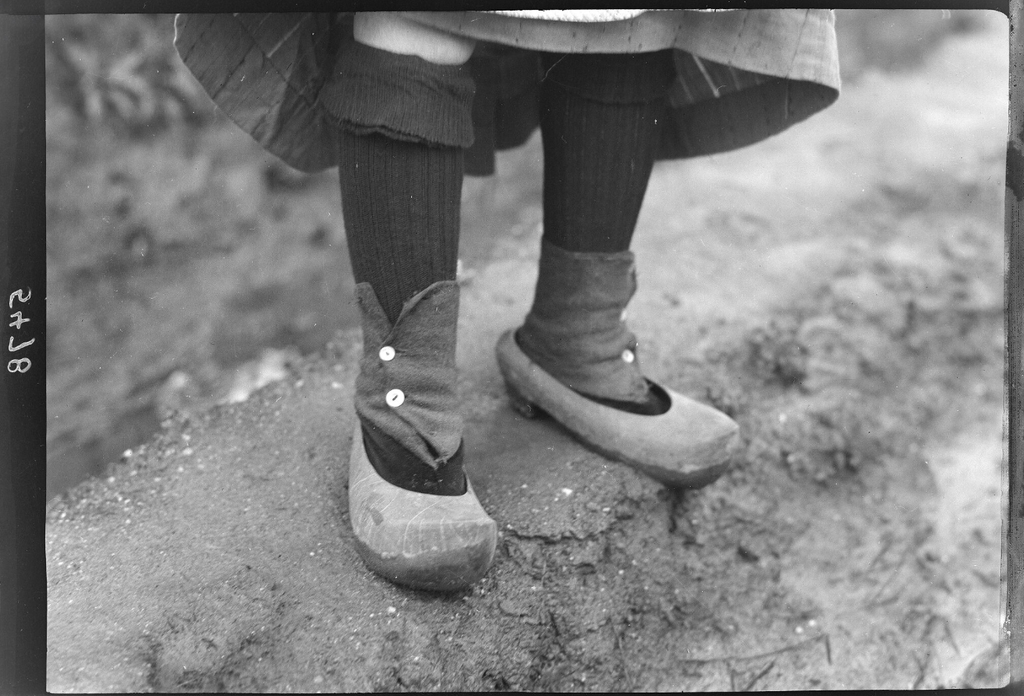
The thread of the arguments that Ruth Matilda Anderson develops throughout the book is basically sustained by Rosalía de Castro and Emilia Pardo Bazán. They are the two who appear with first and last names. The rest of the Galician intellectuality, the scholars we had back then –who are absolutely essential to understanding the changes that took place in our country– appear, are read, were consulted, but their actual names do not appear in the central pages, but rather in the bibliographic appendices. With first and last names, occupying the center stage, women appear. I think that is a subversion that may not have sat well at that time, and it could be an explanation for why her book remained on the margins.
“I think the perspective Anderson brings to her book conflicts quite a bit with the view of the Galician intellectuality of that time, which tended to highlight male figures to the detriment of women and children”
You also highlight Anderson’s many facets beyond photography, such as an essayist, for example, or as a great translator of Rosalía de Castro. Why do you think these were also hidden for so long?
I think that is simply a replica of the different strategies used to silence or make certain groups invisible. In this case, the first link in this process would be complete invisibility, the most absolute silence, and that was the case for Ruth Matilda Anderson for a long time (with a few rare exceptions). From a certain point onward, that silence could no longer continue because literary systems are living entities in constant motion, so certain figures can enter the canons. When Anderson could no longer remain silenced, she eventually entered.
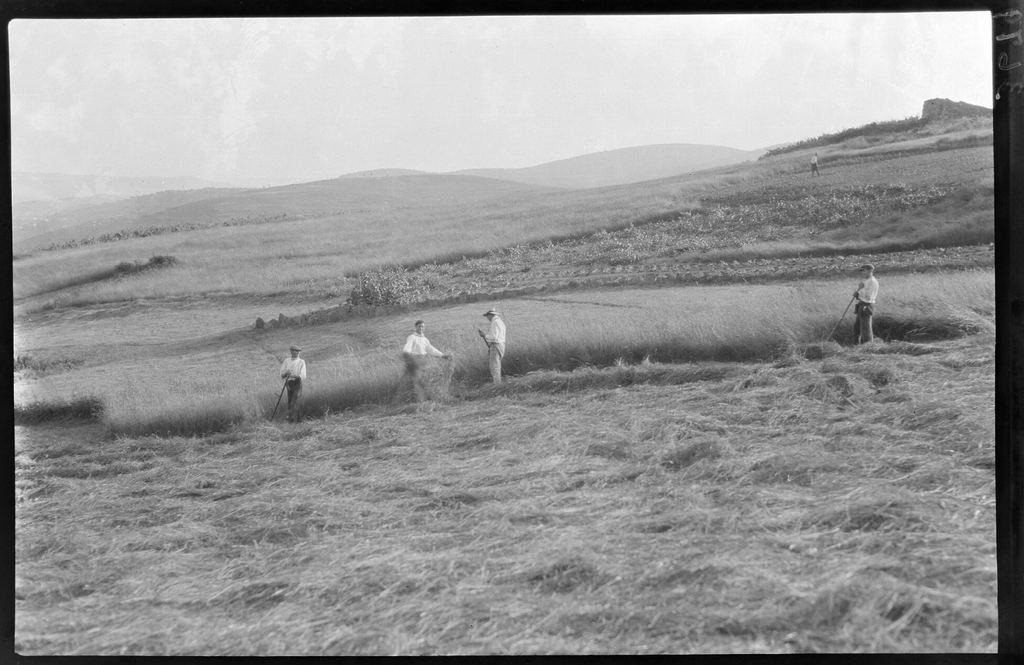
However, in the face of this interference that the canon might consider, other, less crude tools are developed to try to keep these figures on the margins for as long as possible. Techniques such as, for example, not denying her entry, not denying her existence, but attempting to sustain her based on the discipline with the lowest prestige that she practiced. And here, with all due respect to photography, what was applied was a hierarchy typical of the arts system: photography, as a younger art form, was also considered a minor art. Therefore, Ruth Matilda Anderson could not enter as an essayist. Being an essayist meant granting her significant intellectual stature.
She remained there for a long time. Until a moment comes when, obviously, that was no longer sustainable either, and we began to discover that she was not just a photographer, but also a translator. Furthermore, she was an essayist. Furthermore, she was a researcher. If she were a man, we would immediately be saying he was a multifaceted man.
She chose Rosalía and Pardo Bazán as references for her field work in Galicia, while the great male intellectuals are only cited in the final pages. How do you interpret this? Is there intentionality or perhaps rigor on her part?
Obviously, it is intentional. The rigor is absolute and total because women with work as rigorous and methodical as hers, frankly, I know very few. But the intentionality is there. A few male authors’ names appear in her book, but it is very occasional, and she names them when they have been dead for a long time, especially those from medieval and modern periods. In the contemporary period, one for whom she felt a profound admiration isn’t even given a first and last name: she calls him The President. It is a reference to Casto Sampedro (president of the predecessor to the Museo de Pontevedra). She could also have referred to Rosalía de Castro as The Poet or Emilia Pardo Bazán as The Novelist, but no, she cites them with first and last names. Therefore, it is clear that there is indeed an intentionality when establishing the criteria for addressing female versus male presence.
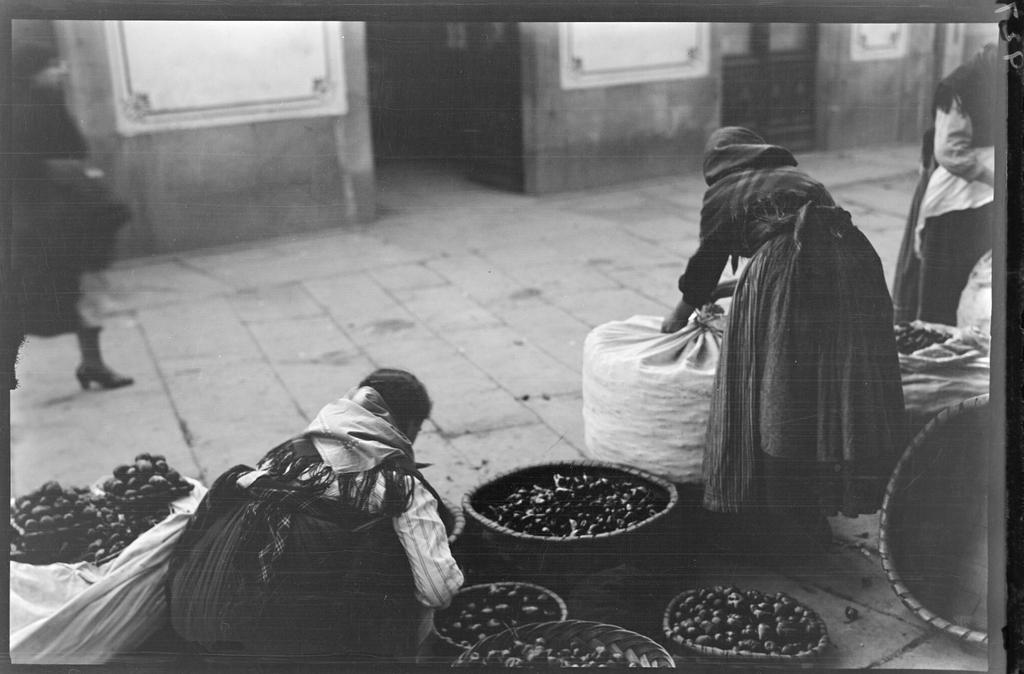
If you ask me about Ruth Matilda Anderson’s feminist commitment, I wouldn’t know what to say because I don’t have information on that, but we must keep in mind that our choices reflect our thoughts. Therefore, the moment she decided to shape a book with these characteristics, she was conveying her intentionality.
What percentage of Ruth Matilda Anderson’s photographs in Galicia did we have until now?
In Galicia, we knew about 500 images, more or less, and her collection on our country consists of 5,000, so we only knew about 10%. Now we have a reference point to truly know that wonderful decade of the 1920s, full of striking contrasts, in which technological advances absolutely decisive for industrial change occurred while, at the same time, ways of life and work persisted that would soon disappear. I believe Ruth Matilda Anderson’s photo collection in Galicia is an absolutely fabulous treasure in our hands.
“In Galicia, we knew about 500 images, more or less, and her collection on our country consists of 5,000, so we only knew about 10%”
There is a lack of spaces dedicated to the Nebraska photographer in Galicia. Will we ever see Anderson’s work in a museum space in our land?
Yes, it would be great to have some kind of constant and permanent presence of Ruth Matilda Anderson in Galicia. It is true that there are images of her authorship in the Museo do Pobo Galego that are recognizable. They are not marked as hers in all cases, but they are there.
It would also be necessary to have certain spaces, monuments, and tributes. The University of Santiago de Compostela organizes the Ruth Matilda Anderson Photography Award every year, which is fantastic, but we do not have a street dedicated to her, as we do for Archer Milton Huntington (founder of the HSA). In fact, at the Hotel Suízo in Santiago, on the landmark plaque of people who stayed there, Hemingway and Torrente Ballester are listed, but Anderson, who stayed there, and Edith Wharton, author of The Age of Innocence (1920), who was also there, are not included. It would be interesting to have these reminders, which convey to us the importance that people like Ruth Matilda Anderson had here at certain moments, studying and taking notice of our country.