More than five thousand images by the photographer, many previously unpublished, will be available digitally free of charge
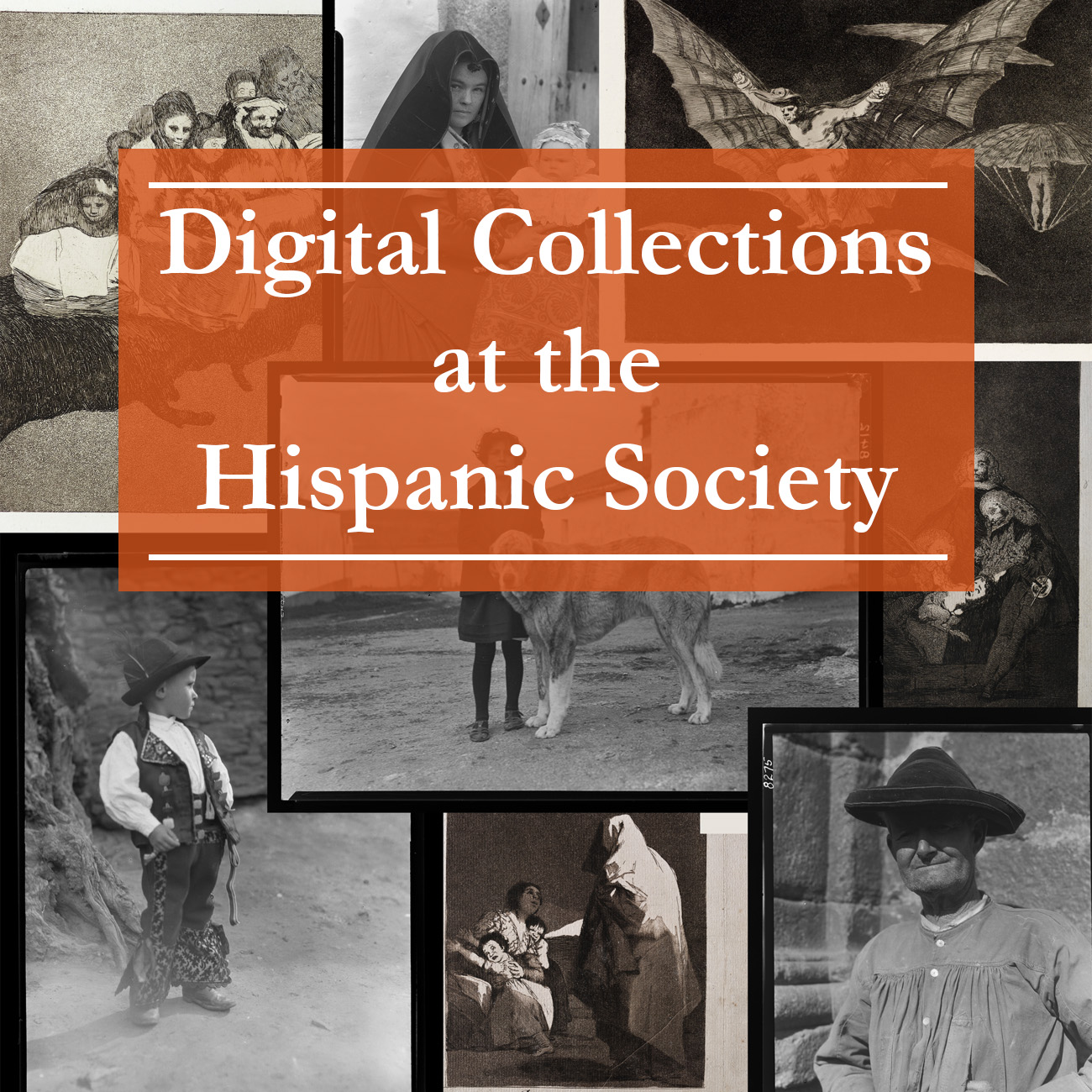
The Hispanic Society of America (HSA) has just made public for the first time part of the more than five thousand photographs that Ruth Matilda Anderson took during the eighteen months she spent in Galicia (1924–1926), many of them previously unpublished. The images—part of a total of 14,000 taken by the Nebraska photographer across Spain and northwest Africa—will be viewable in their entirety for the first time in digital format, following restoration and digitization work that will be completed in the coming months.
Until now—as noted in the work of translator and researcher Alba Rodríguez Saavedra—we only had access to a small portion of Anderson’s documentary collection in Galicia: 500 images, just 10% of the essential work the photographer carried out across all four Galician provinces. These photographs closely and rigorously reflect the reality of early 20th-century Galicia: hardworking, poverty-stricken, predominantly female, and overwhelmingly rural.
“For every man there are five women,” the American photographer observed at the time. She not only worked in Galicia with her camera, but also learned Galician, read, quoted, and translated Rosalía de Castro, and left behind an extensive document in her book Gallegan Provinces of Spain: Pontevedra and La Coruña (1939).
Part of Ruth Matilda Anderson’s work first came to light 17 years ago through Afundación. However, as Rodríguez Saavedra discovered through her research, a major portion of that documentary collection was still missing.
As a result of her research, Saavedra published Ruth Matilda Anderson: tradutora das marxes (Laiovento, 2025), highlighting the importance of the Nebraska photographer’s legacy not only as a photographer, but also as a translator, essayist, and observer of Galicia in the early 1920s—a time when women (and children) worked tirelessly both inside and outside the home. In a society shaped by poverty and emigration, they were single women, “widows of the living,” and “widows of the dead.”
As of yesterday, the HSA’s digital collection allows users to view Ruth Matilda Anderson’s photographs geolocated on a map and filtered by the date they were taken. They feature an extraordinary level of digitization and are openly available for consultation, following the principles that guided Archer Milton Huntington when founding the HSA: a public archive and library. Alongside these documents, there are many other digitized treasures, such as sketches by Goya.
The work was carried out by Beatrice Lee Sampedro, recipient of the Leon Levy Foundation fellowship, under the supervision of Patrick Lenaghan, Curator of Prints and Photographs. The complete set of over 5,000 photographs will be fully available in the HSA’s digital archive in the coming months.
A true testament to the Galicia of the early last century, conveying a reality never before so extensively photographed and documented. Because bequeathing a part of history is bequeathing a treasure.