The exhibition will remain at Café Moderno, in San Xosé Square, until 9 January
Brais Lorenzo’s photographs are accompanied by journalistic texts exploring depopulation and the life that pulses through rural Galicia
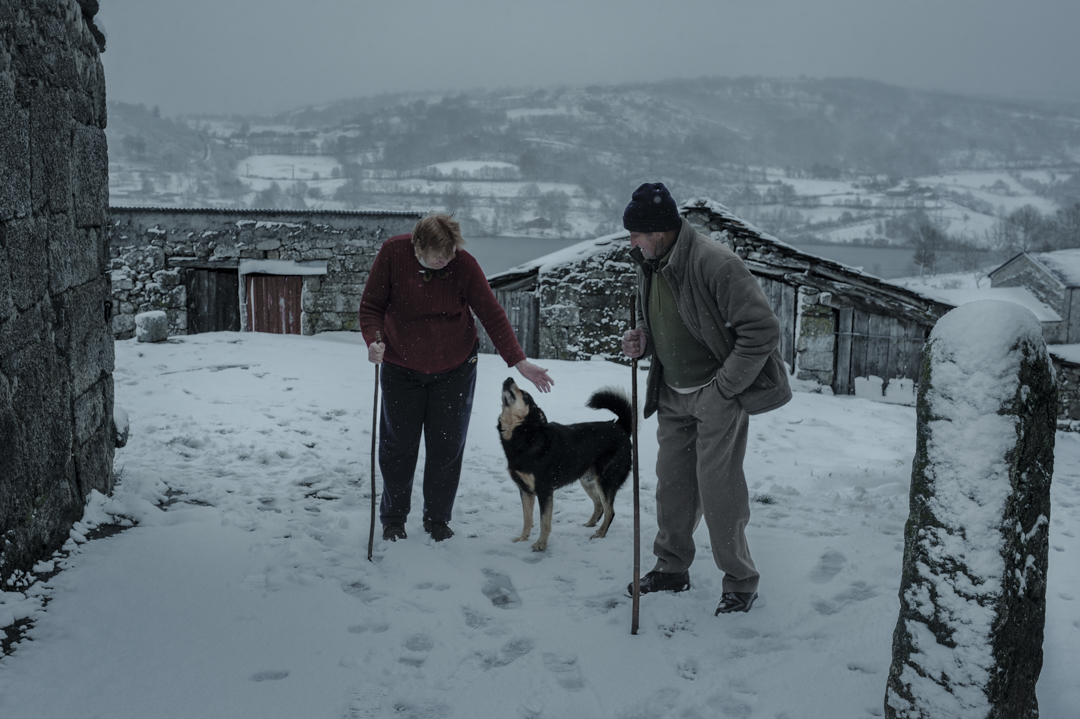
Café Moderno Afundación, in San Xosé Square in Pontevedra, will host the exhibition Habitar o baleiro from this Thursday, 15 October. The exhibition brings together photographs and texts by the collective of the same name, which works to document depopulation and rural life in Galicia.
The opening will take place that afternoon at 5:30 p.m., with a guided tour led by members of the project.
Featuring more than 90 photographs drawn from over ten years of work by Lorenzo (Ourense, 1986), the exhibition combines his images with texts by journalists Cláudia Morán, Manolo Broa, Alba Moledo, Sergio Pascual, Alba R. Saavedra and Lucía Abarrategui, alongside audio pieces and a short video, creating an immersive experience.
The touring exhibition, which will remain in Pontevedra until 9 January, is the result of more than three years of documentary work exploring the light and shadows, what is born and what dies in some of the most sparsely populated areas of Galicia, as well as in the Pontevedra area, delving into the work and lives of coastal communities.
More than 27,000 people have already visited Habitar o baleiro through self-guided and guided tours held since 2024 at the Museo do Pobo Galego (Santiago de Compostela), the Centro Cultural Marcos Valcárcel (Ourense), the Museo Provincial de Lugo (Lugo), the Museo Quiñones de León (Vigo), the Museo Camilo José Cela (Iria Flavia, Padrón) and Afundación’s venue in Ferrol.
“This project stems from a love of the life that pulses through rural areas, as an act of remembrance and preservation. Through journalism, we want to open up a debate about an issue unfolding right before our eyes,” says Lorenzo.
“Loneliness, isolation and abandonment in some of the areas of Galicia experiencing the greatest population decline are among the issues we explore. But we also show a more positive side of rural areas, such as the renewed interest in the primary sector and life in nature, as well as the importance of traditions such as Entroido,” Morán explains.